




Palazzo Pretorio
- Ranuccio Bianchi Bandinelli Archeological Museum, Rooms of Memory, Garden of the Arts
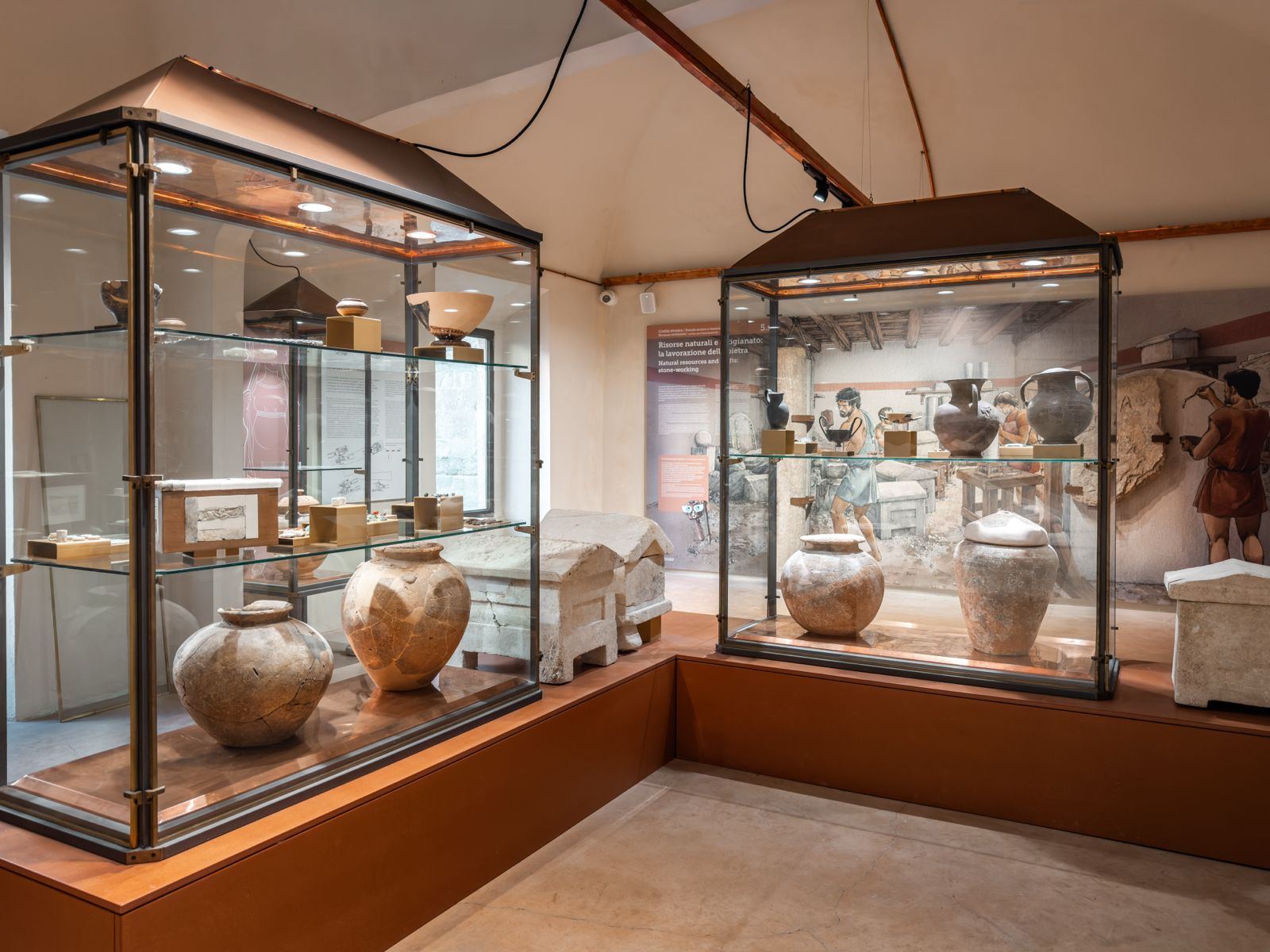
The new cultural hub of Palazzo Pretorio awaits you. Here you will find precious Etruscan, Roman, and medieval artifacts, the Garden of Arts, and the “Gracco Del Secco” Rooms of Memory.
Palazzo Pretorio (Archaeological Museum)
Why visit it
This museum is an essential stop for understanding the deep history of the city of Colle di Val d’Elsa, thanks to the richness and variety of its exhibits. Renovated and inaugurated in November 2025, it is a place that allows you to explore the ancient roots of Tuscany, from Prehistory to the Middle Ages.
The architectural complex known as Palazzo Pretorio (or Palazzo del Podestà) overlooks Piazza del Duomo. The result of complex construction history, from the beginning of the 14th century it housed the presiding podestà (magistrates) of the Terra di Colle, until 1336 when the Municipality ceded the palace to the Republic of Florence to adapt it into a stronghold.
Returning to its original function in 1417, it eventually became the seat of the magistrate’s court and the district prison. Since 1976, it has housed the Etruscan Antiquarium, which was transformed into the “Ranuccio Bianchi Bandinelli” Archaeological Museum in 1990.
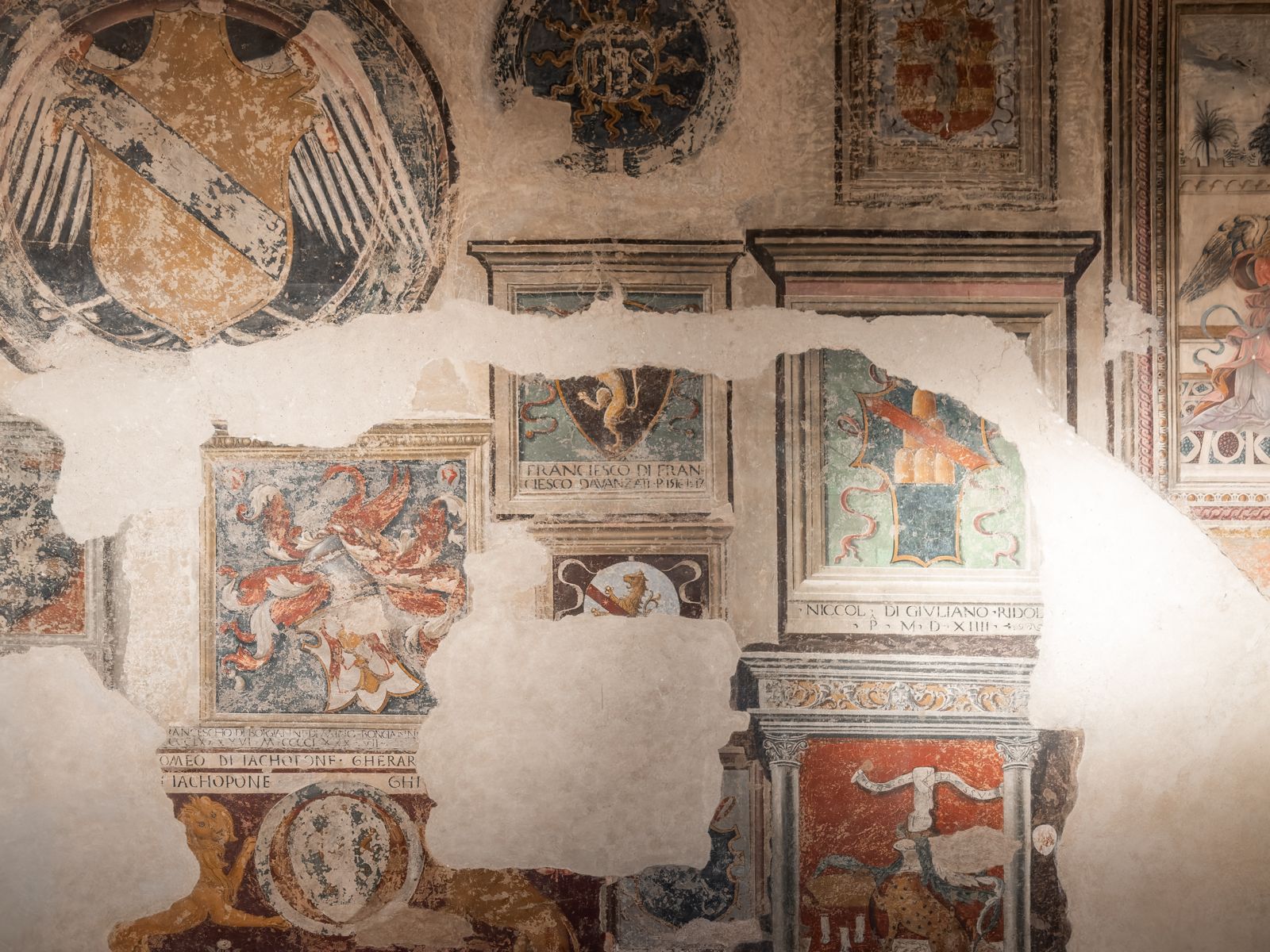
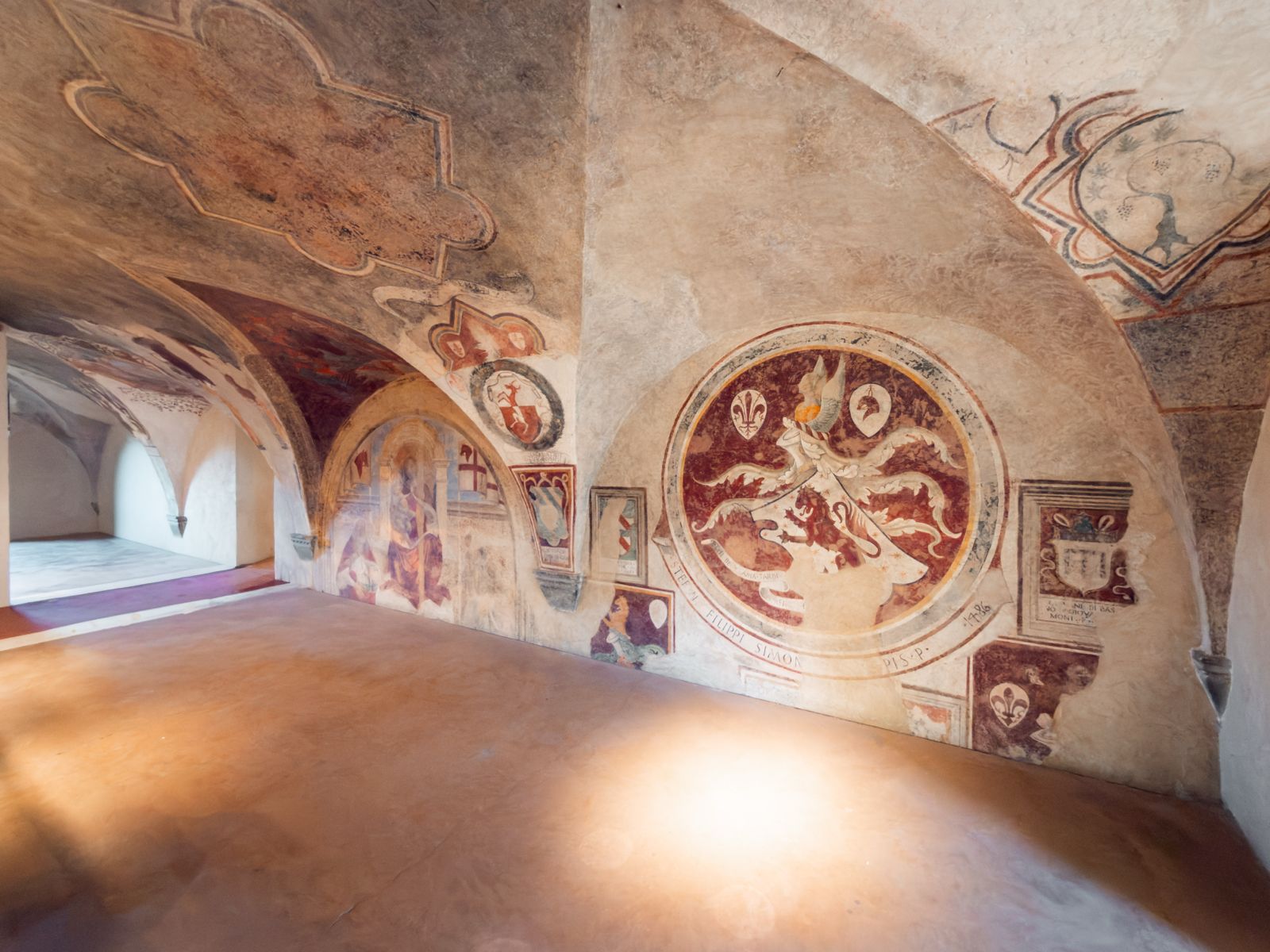
The exhibition spaces, completely renovated in 1990, are spread over three floors: on the ground floor are the ancient detention cells, which in 2012 were joined into a route called the “Gracco Del Secco” Rooms of Memory; on the first floor are rooms fully frescoed with devotional images and coats of arms; on the second floor, surrounding a central hall with a wall still showing fragments of Renaissance decorations, are further exhibition spaces.
The tour is completed by the outdoor garden, which houses Sol LeWitt’s Concrete Block and where cultural events are organized during the summer.
What you will find
Palazzo Pretorio houses the archaeological section of the Civic Museums of Colle di Val d’Elsa.
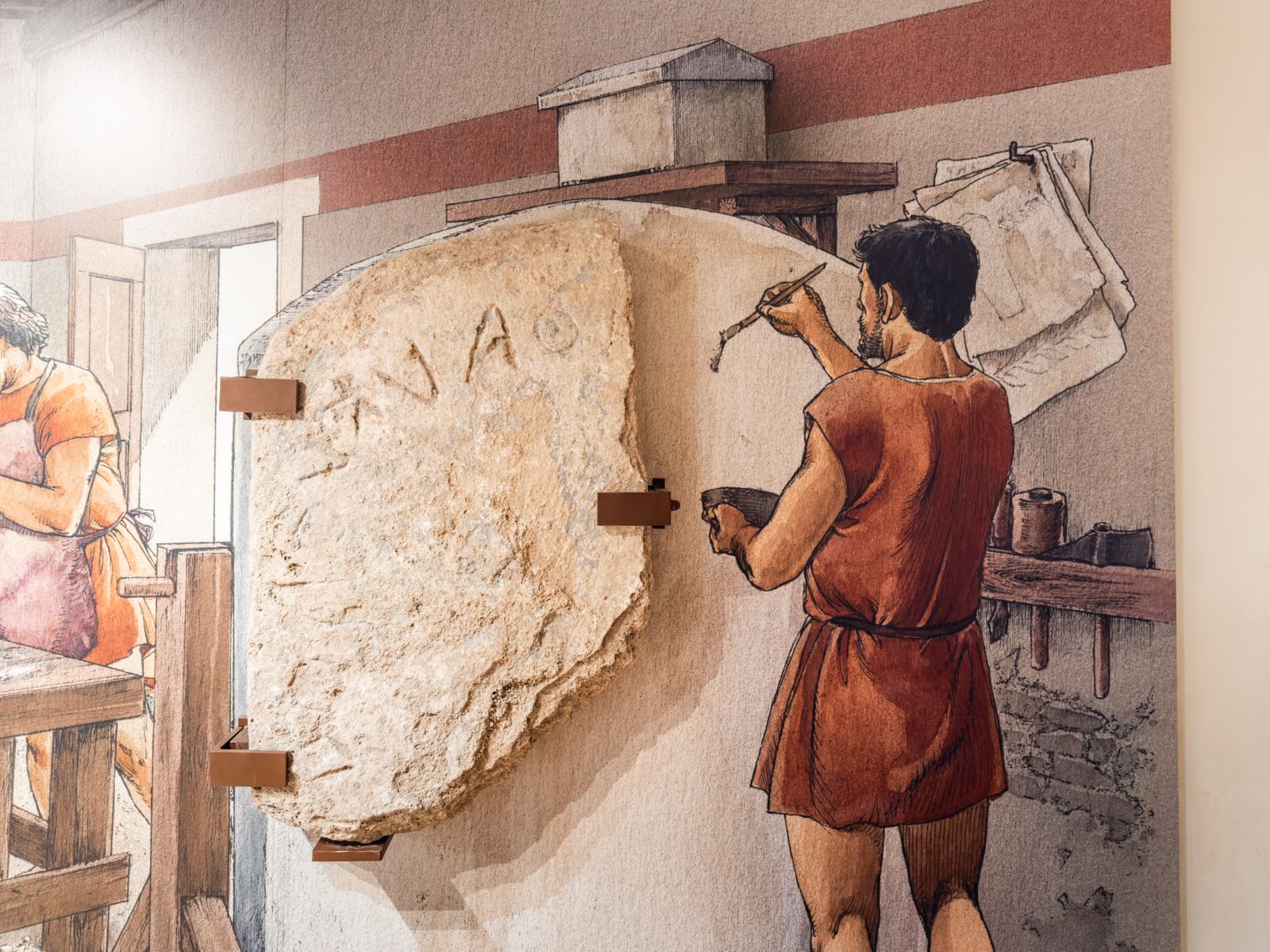
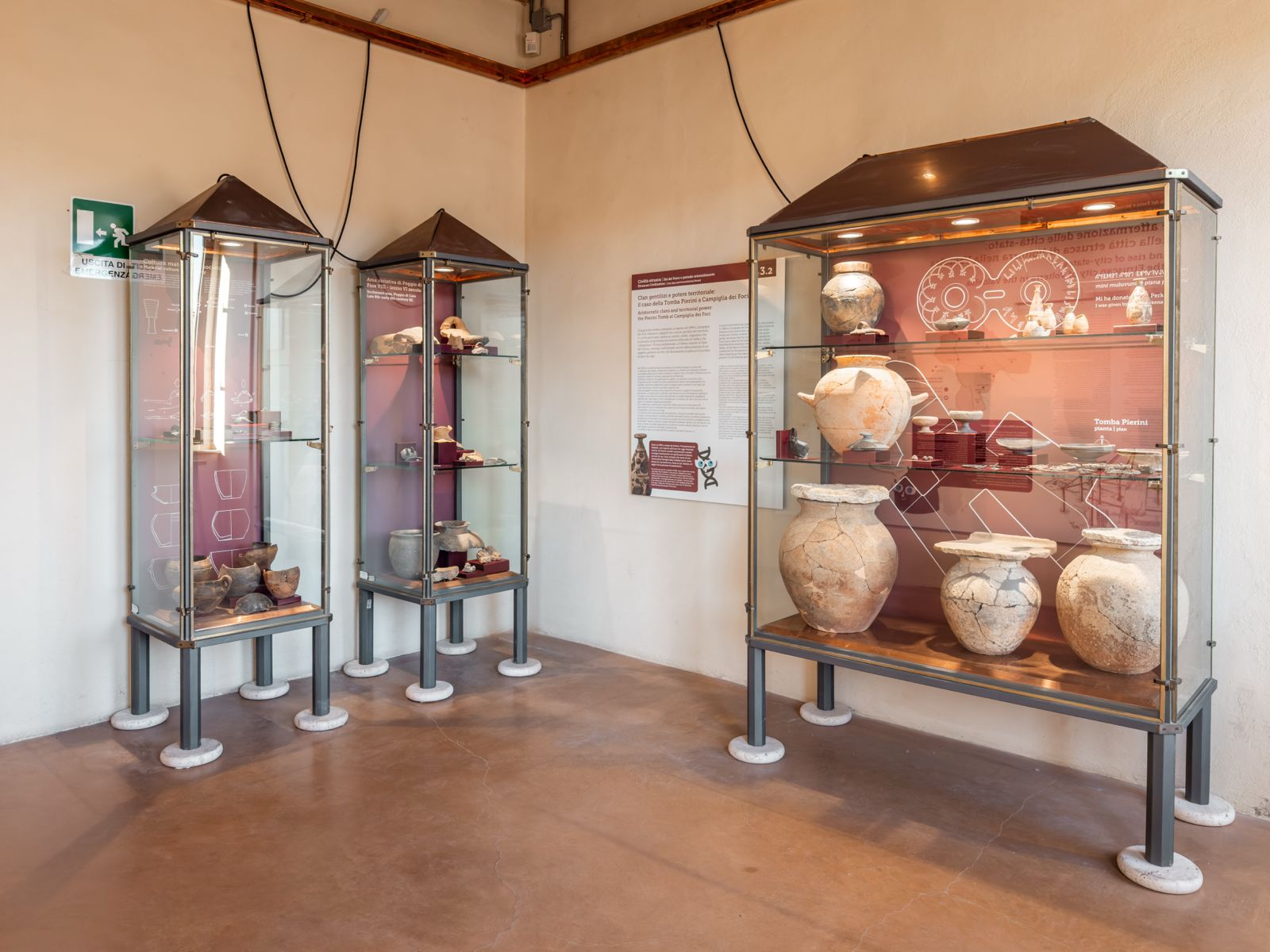
The collection, the result of successive acquisitions between the late 19th century and the early 21st century, consists of several parts: the civic core includes the few objects that reached the Municipality through antiquarian tradition and the remaining part of the Terrosi Collection, formed between 1892 and 1906 following Giulio Terrosi Vagnoli’s excavations at Piano del Casone in Monteriggioni. Among the most significant materials are over 60 artifacts from the Calisna Śepu Tomb.
Most of the objects are state-owned and are the result of research activities carried out in the municipal territory of Colle di Val d’Elsa between the last thirty years of the 20th century and the early 21st century, following investigations conducted by the Superintendency in collaboration with the Municipality of Colle di Val d’Elsa and the Gruppo Archeologico Colligiano.
Museum opening hours
- OPEN: Monday, Thursday, Friday, Saturday, and Sunday from 11:00 AM to 4:00 PM
- CLOSED: Tuesday and Wednesday
Single museum prices:
- full price: €6
- reduced price: €4
Combined ticket for 3 museums:
- full price: €12 (valid for 48 hours from ticket issue)
- reduced price: €8 (valid for 48 hours from ticket issue)